Snow Removal and Salting: Why Commercial Properties Need Both
Posted on 1 October 2026
Snow removal and salting solve two different winter problems. Snow removal moves accumulated snow from parking lots, entrances and access routes. Salting, meanwhile, helps manage icy conditions that can remain after crews clear the snow.
For commercial properties in Collingwood, one service does not automatically replace the other. Therefore, a complete winter plan should consider snowfall, surface conditions, temperature changes and how people use the property.
Why Snow Removal and Salting Work Together
Plowing removes the bulk of accumulated snow. However, even a well-cleared parking lot can develop slippery areas afterward.
Vehicles may pack thin layers of snow against the pavement. In addition, daytime melting can create water that freezes again when temperatures drop.
As a result, snow removal and salting work best as complementary services. One manages accumulation, while the other helps crews respond to changing surface conditions.
Snow Removal Comes First During Many Storms
When several centimetres of snow cover a parking lot, crews usually need to move that accumulation before focusing on the surface underneath. Otherwise, applying salt over deep snow may not address the main problem.
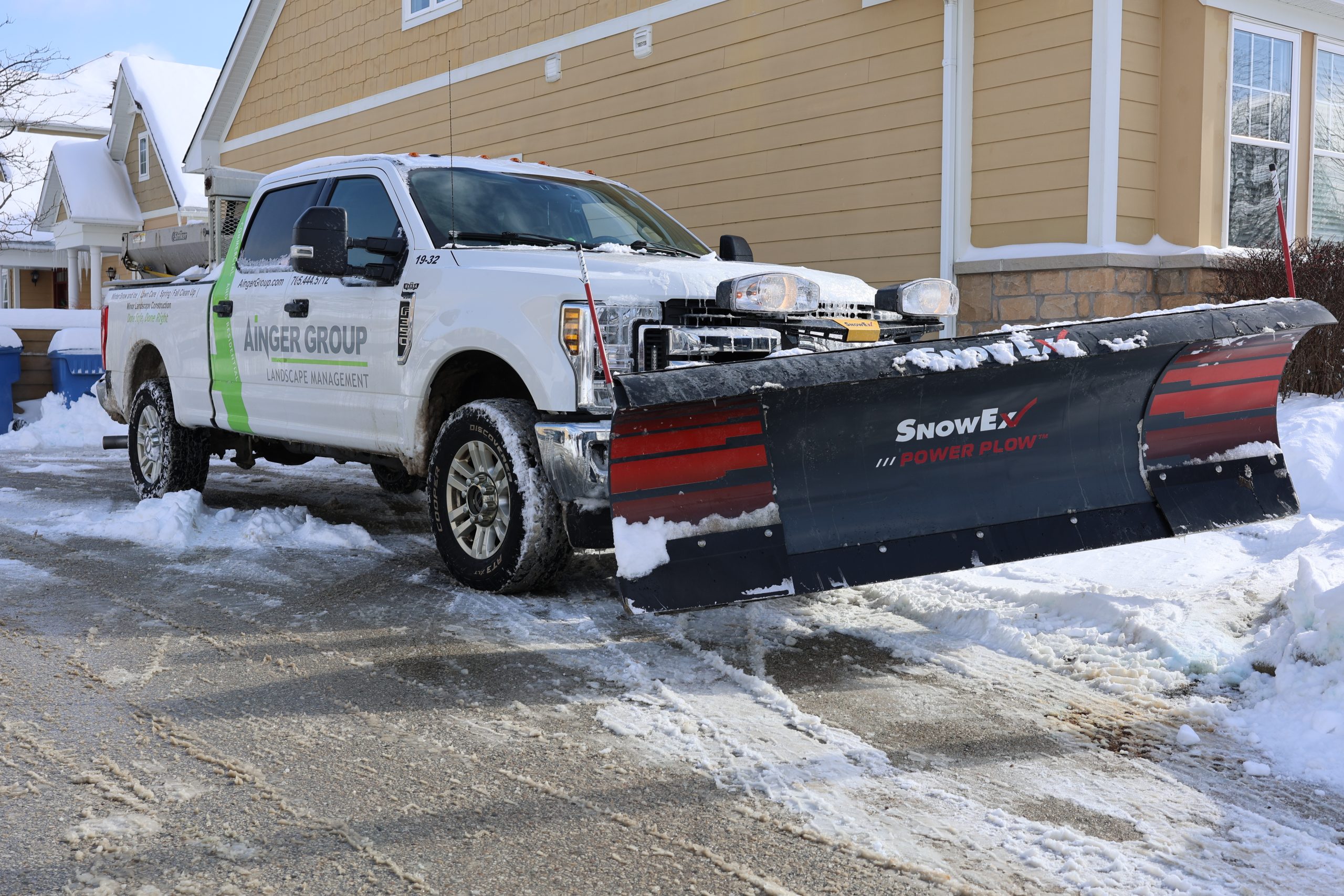
Plow trucks can clear drive lanes, parking areas and access roads. Meanwhile, smaller equipment can work around tighter spaces.
Once crews remove the bulk of the snow, they can better assess the pavement. Therefore, the next step depends on the actual surface conditions rather than following the exact same process after every storm.
Salting Addresses Conditions Plowing Cannot Remove
A plow blade can move snow, but it cannot simply scrape every trace of winter moisture from pavement. Thin packed layers and icy patches may remain in certain areas.
Therefore, commercial winter service may include salt or another ice-management material where conditions call for it. Entrances, slopes, intersections and high-traffic areas may need particular attention.
However, the amount and timing should still reflect actual conditions. More material does not automatically create better service.
Snow Removal and Salting Around Commercial Entrances
Commercial entrances often experience constant foot and vehicle traffic. As a result, snow can become packed quickly around these areas.
Customers may also track snow onto nearby surfaces. Meanwhile, melting snow from vehicles and footwear can add moisture throughout the day.
Therefore, entrances should form part of the winter site plan. Crews may need to clear accumulated snow first and then address slippery areas as conditions change.
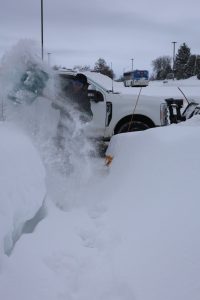
Commercial winter snow clearing in Collingwood, Ontario
Parking Lots Need More Than a Single Plow Pass
Large parking lots can develop very different conditions from one section to another. An open area may clear easily, while shaded sections hold packed snow for longer.
In addition, traffic can compress snow before crews arrive. Therefore, simply plowing the lot does not always complete the job.
A contractor may need to monitor intersections, entrance lanes and areas where vehicles frequently stop. As conditions change, those sections may need additional attention.
Snow Removal and Salting on Walkways
Pedestrian areas require a different approach from vehicle areas. Crews often clear these spaces with smaller equipment, snow blowers or hand tools.
However, a cleared walkway can still become slippery if meltwater freezes. Therefore, commercial snow removal and salting plans should also consider sidewalks, ramps and building approaches.
Accessible routes deserve particular attention because property users rely on those paths throughout the day.
Temperature Changes Affect Salting Decisions
Winter conditions rarely stay exactly the same throughout a day. Temperatures can rise during daylight hours and drop again overnight.
As a result, previously cleared snow may melt and create new moisture. That water can later freeze when surfaces cool.
Therefore, contractors need to pay attention to changing conditions rather than focusing only on snowfall totals. A property may need follow-up ice management even when no new snow has fallen.
Snow Removal and Salting During Long Storms
A long storm may require several stages of service. For example, crews may first maintain main drive lanes while snow continues to fall.
Later, they can return for more detailed clearing once snowfall slows. In addition, surface conditions may require attention throughout the event.
Therefore, property managers should not expect every storm to involve one visit followed by a finished lot. Longer events often require an ongoing response.
Why Timing Matters With Snow Removal and Salting
Timing affects both snow clearing and ice management. If crews wait too long during a busy storm, vehicle traffic can pack snow tightly against pavement.
However, treating surfaces too early can also become inefficient when heavy snow continues to accumulate.
Therefore, contractors need to consider snowfall intensity, property activity and expected weather changes. The right timing depends on the storm.
This is one reason a planned commercial service provides more value than simply reacting once a problem appears.
Snow Storage Still Matters
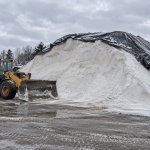
Salting does not solve snow-storage problems. Every plowing operation still needs designated areas for accumulated snow.
At first, crews may have plenty of room around the edges of a parking lot. However, repeated storms can gradually fill those spaces.
Large snowbanks can then reduce parking, narrow lanes and interfere with visibility. Therefore, a complete winter plan should address both surface conditions and long-term snow storage.
Loaders may eventually need to stack or relocate snow when piles become too large.
Ice Can Develop Away From the Main Parking Lot
Property managers naturally focus on large parking areas. However, smaller areas can develop winter issues too.
For example, melting snowbanks may drain toward a walkway. Downspouts may also direct water toward paved areas before temperatures fall again.
Therefore, contractors should consider how water moves around the property. Ice management should respond to actual problem areas rather than focusing only on where snow originally fell.
Snow Removal and Salting Around Loading Areas
Loading zones can stay busy throughout a storm. Trucks, forklifts and employees may continue moving through the area while snow accumulates.
As a result, snow can become packed quickly. In addition, trailers and parked vehicles may limit access for larger plowing equipment.
A contractor may need compact equipment to clear these sections. Then, crews can address remaining slippery areas based on conditions.
Therefore, loading schedules should become part of the pre-season winter plan.
Does Every Snowfall Need the Same Amount of Salt?
No. Winter conditions vary too much for one fixed approach to make sense.
A light, dry snowfall at one temperature may create very different pavement conditions from wet snow followed by a rapid temperature drop.
Therefore, contractors should adjust ice-management decisions according to the weather and property. They should also consider traffic, drainage and surface conditions.
The goal is a planned response, not simply applying the same amount after every snowfall.
Commercial Snow Removal and Salting Should Include Clear Priorities
Every commercial property operates differently. Therefore, property managers should identify priority areas before winter begins.
These may include:
- Main vehicle entrances
- Accessible parking spaces
- Fire routes
- Customer entrances
- Employee walkways
- Loading docks
- Delivery routes
- Ramps and sloped areas
Once the contractor understands those priorities, crews can organize their storm response more effectively.
Documentation Helps Track Snow Removal and Salting
Commercial winter service often involves several activities during one weather event. Therefore, good documentation can help property managers understand what happened.
Service records may note when crews attended the property, what areas they cleared and whether they completed ice-management work.
In addition, crews may document unusual conditions that need follow-up.
That information creates a clearer winter service history and helps both sides communicate throughout the season.
Snow Removal and Salting Should Be Planned Before Winter
October is a good time for property managers to review winter service details. Snow has not yet hidden curbs, parking lines, drainage areas and other site features.
Therefore, contractors can walk the property and identify priority zones while everything remains easy to see.
Property managers can also discuss operating hours, deliveries, pedestrian traffic and snow-storage areas.
As a result, crews begin winter with a much clearer plan.
What Should a Commercial Contract Include?
A winter agreement should clearly explain what the contractor handles. Property managers should know whether the contract includes parking-lot plowing, pedestrian clearing and ice management.
In addition, ask what triggers each type of service. The agreement should also explain how the contractor handles long storms, additional visits and unusual conditions.
If snow relocation or hauling costs extra, understand those charges before the property runs out of storage space.
Clear expectations now can prevent confusion later.
Snow Removal and Salting Are Different Services With One Goal
Plowing and salting perform different jobs. However, they work toward the same broader goal of keeping a commercial property functioning through winter.
Snow removal manages accumulation. Ice management addresses surface conditions that plowing alone may not resolve.
Therefore, property managers should look at the entire winter plan rather than purchasing one isolated service.
The property, weather and operating schedule should guide that plan.
Commercial Snow Removal and Salting in Collingwood
Collingwood businesses can face changing winter conditions throughout the season. Snowfall, wind, melting and refreezing can all affect a property differently.
Therefore, commercial snow removal and salting should work as part of a coordinated winter strategy.
Learn more about commercial snow removal in Collingwood and our broader commercial snow removal services.
In addition, follow Ainger Group on LinkedIn for winter property-management tips and seasonal updates.
Planning winter service for your commercial property? Request a commercial snow removal quote.