Is a Snow Plow for a Pickup Enough for Commercial Properties?
Posted on 15 October 2026
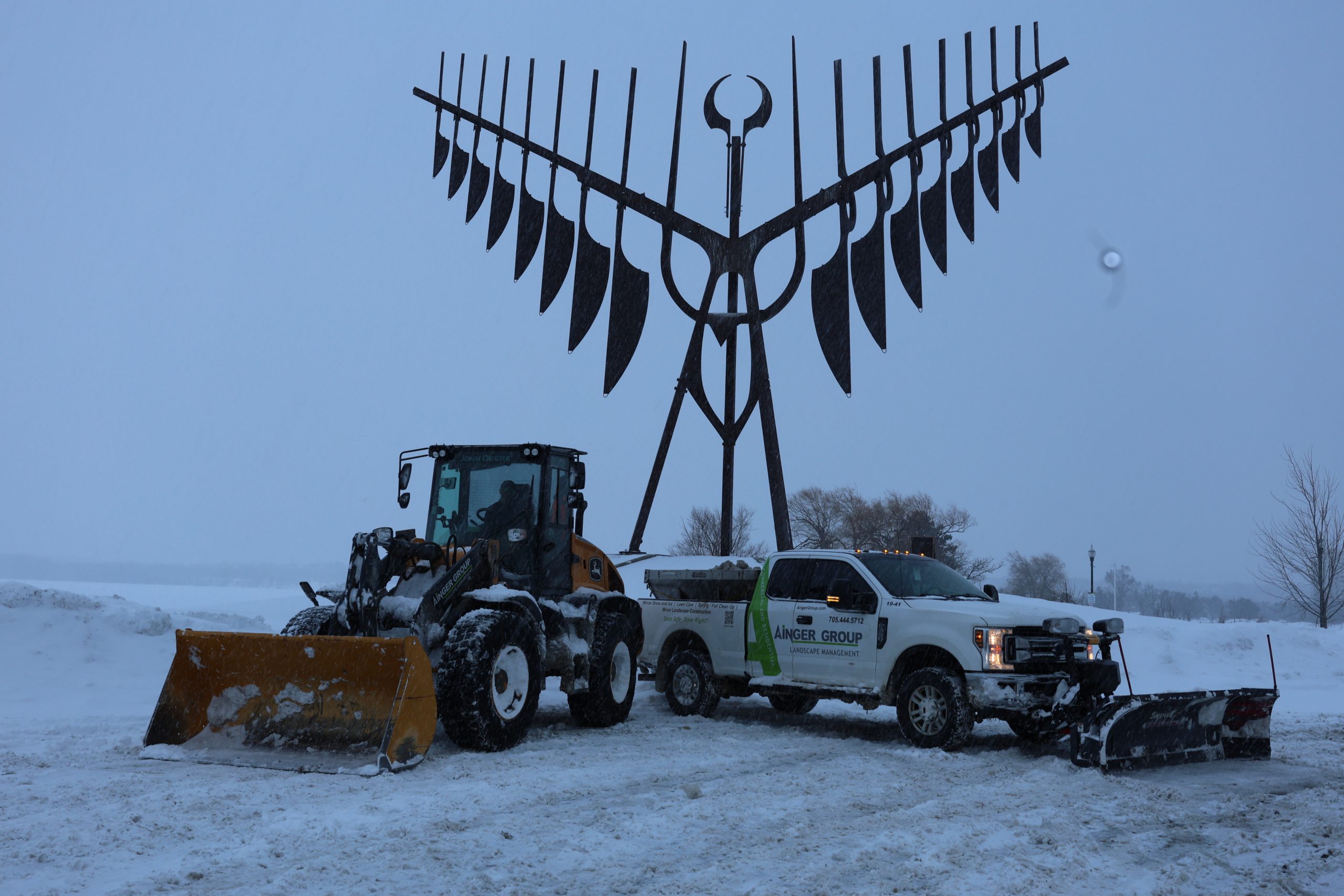
A snow plow for a pickup can handle a surprising amount of commercial snow clearing. Pickup trucks move quickly, work well in open lanes and can service smaller parking areas efficiently. However, one pickup plow may not be enough for every commercial property or every Barrie snow event.
Property size, snow depth, storage space and operating hours all affect the equipment plan. Therefore, property managers should look beyond the truck itself and ask whether the contractor has enough equipment for changing winter conditions.
Where a Snow Plow for a Pickup Works Well
A pickup plow works especially well in areas with enough room to push and turn. Small commercial lots, drive lanes and open parking sections can often suit this type of equipment.
In addition, pickup trucks can move between areas quickly. That mobility makes them useful when crews need to maintain several sections during an active snowfall.
However, the property still needs enough snow-storage space. A pickup can push snow efficiently, but it cannot make growing snowbanks disappear.
Why Pickup Plows Are Common in Commercial Snow Removal
Pickup trucks offer a useful combination of speed and maneuverability. They can travel between properties without requiring separate transportation, then begin plowing once they arrive.
Therefore, they remain an important part of many commercial snow-removal fleets. A properly equipped pickup can clear open pavement while larger machines handle heavier or more specialized work.
The key is using the truck where it performs best. Problems begin when one machine gets expected to solve every snow-management challenge.
A Snow Plow for a Pickup Has Limits
Commercial properties can become much more complicated after several storms. Snowbanks grow, parking spaces disappear and turning areas become tighter.
As a result, a pickup may eventually lose room to push snow efficiently. The truck can keep moving accumulation, but the property may need a loader to stack or relocate existing piles.
Therefore, equipment planning should consider the entire winter. A setup that works perfectly in December may become much less effective by February.
Parking Lot Size Changes the Equipment Decision
A small professional office and a large retail property need very different snow-removal strategies. A pickup plow may clear a modest lot efficiently, while a large site could require much more equipment time.
For bigger properties, loaders or other commercial machines can move larger volumes of snow. Meanwhile, pickup trucks can continue maintaining entrances, drive lanes and smaller sections.
Therefore, the question is not whether pickup plows work. The better question is whether they match the size and layout of the property.
Snow Depth Matters for a Snow Plow for a Pickup
Fresh accumulation is generally easier to move than deep, packed snow. Therefore, timing plays an important role in how effectively pickup plows can maintain a commercial site.
During a longer storm, crews may make repeated passes before accumulation becomes excessive. This approach keeps priority routes open and reduces the amount of snow each pass must move.
However, waiting until a deep storm completely ends can create a much heavier workload. At that point, larger equipment may become more useful.
Wet Snow Can Change the Job Quickly
Not every snowfall creates the same workload. Light powder behaves very differently from heavy, wet snow.
Wet accumulation places greater demands on equipment and creates heavier piles. As a result, a contractor may need to adjust the equipment mix during certain storms.
A pickup plow can still play an important role. However, loaders may become more valuable when crews need to move dense snow or manage large piles.
Pickup Plows Work Well for Maintaining Drive Lanes
Keeping traffic moving often becomes the first priority during an active storm. Pickup plows can work well for maintaining main drive lanes because they travel quickly around a property.
For example, crews may keep entrances and central traffic routes open while snow continues falling. Then, they can return for detailed parking-space cleanup after the storm slows.
Therefore, pickup plows often work best as part of an ongoing storm plan rather than one final visit.
A Snow Plow for a Pickup Cannot Clear Every Area
A pickup truck needs room to operate. Tight corners, narrow pedestrian areas and spaces around parked vehicles can limit where the truck can work effectively.
Therefore, commercial snow clearing often requires smaller equipment or hand clearing too. Entrances, sidewalks and accessible routes may need an entirely different approach.
A complete property plan should match each area with appropriate equipment instead of forcing one machine into every task.
Parked Vehicles Can Reduce Plowing Efficiency
A mostly empty parking lot gives operators room to create clean pushing patterns. However, parked vehicles can quickly change that layout.
Crews must work around cars without blocking them or pushing snow into unusable locations. As a result, some sections may need follow-up service after vehicles leave.
Property managers can help by discussing operating hours and parking patterns before winter. Therefore, the contractor can plan major clearing work around quieter periods when possible.
Snow Storage Is the Bigger Long-Term Problem
A pickup plow moves snow from one place to another. Eventually, however, the property may run out of convenient places to put it.
Snowbanks can consume parking stalls, block signs and reduce visibility near entrances. In addition, large piles may interfere with the next round of plowing.
Therefore, property managers should designate snow-storage areas before winter starts. A contractor should also have a plan for what happens once those areas fill.
When a Loader Becomes More Useful Than a Pickup Plow
Loaders become especially useful when crews need to move large quantities of snow. They can also stack existing piles higher or relocate snow across the property.
Therefore, a loader may become important after repeated storms even if pickup plows handled the early season well.
Large commercial properties can also benefit from using both machines during the same event. The pickup maintains traffic areas while the loader manages heavier accumulation and storage.
This equipment combination creates more flexibility than relying on one machine alone.
Pickup Plow vs Loader for Commercial Properties
A pickup plow generally offers better mobility across smaller sections and between properties. Meanwhile, loaders bring more snow-moving capacity and work well around large piles.
Neither machine automatically replaces the other. Instead, they solve different parts of the commercial snow-management problem.
For example, a pickup might clear a main entrance while a loader pushes accumulation toward a larger storage area. Therefore, a contractor with several equipment options can adjust more easily as conditions change.
A Snow Plow for a Pickup During Long Storms
Long storms can expose the weaknesses of a one-machine plan. If snow keeps falling for many hours, the property may need several passes.
A pickup plow can maintain drive lanes and entrances throughout the event. However, growing piles may eventually slow the process or reduce available space.
Therefore, crews may bring in additional equipment as conditions develop. Commercial snow removal should adapt to the storm instead of following one rigid pattern every time.
Municipal Windrows Can Affect Commercial Entrances
Municipal plows maintain public roads, while private contractors maintain commercial properties. Where those areas meet, snow can sometimes build near entrances.
As a result, a previously cleared commercial entrance may need another pass. Pickup plows work well for returning to these areas quickly and reopening access.
However, repeated road snow can also contribute to larger piles near the property edge. Therefore, the overall snow-storage plan still matters.
Sidewalks Need More Than a Pickup Plow
A commercial property is not finished once vehicles can move through the parking lot. Employees, customers and visitors also need access to the building.
Therefore, sidewalks and entrances usually require smaller equipment, blowers or hand clearing. Accessible routes may also need particular attention throughout a storm.
When comparing contractors, property managers should ask how these areas receive service. A pickup plow alone cannot provide complete property-wide snow management.
Ice Management Is a Separate Part of the Plan
Plowing removes accumulated snow, but pavement conditions can remain slippery afterward. Packed snow, melting and refreezing may require additional attention.
Therefore, property managers should confirm how ice management fits into the commercial agreement. A truck equipped with a plow does not automatically mean the same contract includes salting or other surface treatment.
Understanding that distinction prevents surprises once winter begins.
The Truck and Plow Need to Be Properly Matched
Not every pickup should carry every plow. Vehicle capacity, front-axle limits and manufacturer requirements all matter when contractors choose equipment.
Professional operators should use equipment that matches the truck and intended workload. Therefore, property managers do not need to become plow engineers, but they should expect contractors to operate suitable commercial equipment.
Reliable winter service depends on the whole setup, not simply having a blade attached to a truck.
Backup Equipment Matters More Than the First Truck
Seeing a contractor arrive with an impressive pickup does not answer the most important question: what happens when that truck breaks down?
Commercial winter service depends on equipment availability during the exact hours everyone else needs snow clearing too. Therefore, backup capacity matters.
A contractor with access to additional trucks, loaders and other equipment has more options when conditions change. That flexibility can become especially important during major snow events.
Commercial Properties Need an Equipment Plan, Not One Machine
The strongest snow-removal strategy starts with the site rather than the equipment. Contractors should consider parking layout, entrances, sidewalks, storage areas and business hours before deciding what machines make sense.
For some properties, pickup plows may handle most routine snow events. For others, pickups work best alongside loaders and smaller clearing equipment.
Therefore, property managers should ask how the entire fleet will service the property rather than focusing only on the truck they see during the assessment.
Questions to Ask About Commercial Plowing Equipment
Before choosing a contractor, ask what equipment will normally service the property and what backup options are available. In addition, ask how the contractor handles heavier snow and full storage areas.
Useful questions include:
- Will pickup plows handle most routine service?
- When would a loader come to the property?
- How will crews clear sidewalks and entrances?
- What happens when snowbanks become too large?
- Is snow relocation available?
- What backup equipment is available during breakdowns?
- How are long storms handled?
- Which areas receive priority during active snowfall?
These questions reveal much more than simply asking what size plow the contractor owns.
Is a Snow Plow for a Pickup Enough?
For some commercial properties, a snow plow for a pickup can handle a large portion of routine winter service. Smaller lots and open drive lanes often fit pickup plows particularly well.
However, commercial winter conditions do not stay the same all season. Snowbanks grow, wet snow arrives and long storms can create much heavier workloads.
Therefore, the most dependable strategy usually involves access to more than one type of equipment. Pickup plows, loaders and smaller clearing equipment each have a role.
Commercial Snow Plowing in Barrie
Barrie commercial properties need snow-removal equipment that matches their actual layout and operating needs. A pickup plow can provide excellent speed and flexibility, but it should form part of a broader winter plan.
Therefore, property managers should compare contractors based on equipment capacity, backup options and storm planning rather than one truck alone.
Learn more about commercial snow removal for Barrie businesses and our commercial snow removal services.
You can also follow Ainger Group on LinkedIn for winter property-management tips and seasonal updates.
Planning commercial snow service in Barrie? Request a commercial snow removal quote.