Snow Melt and Refreezing: What Commercial Properties Need to Watch
Posted on 22 November 2026
Snow melt can create winter-maintenance problems even when no new snow is falling. As temperatures rise, existing snowbanks release water across pavement and pedestrian areas. When temperatures fall again, that water can refreeze.
For Collingwood property managers, this means winter maintenance should not focus only on active snowstorms. What happens between storms can matter just as much.
Why Snow Melt Creates New Winter Conditions
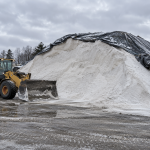
A snowbank can remain on a commercial property for weeks.
During warmer daytime temperatures, part of the pile may melt. The water then follows the natural slope of the property toward drains, curbs and lower sections.
If temperatures fall later, wet areas can freeze again.
Therefore, conditions may change dramatically without another snowflake falling.
Snow Melt Starts With Snowbank Placement
Where crews store snow affects what happens during warmer periods.
A pile uphill from a busy walkway may release water across the pedestrian route. Likewise, storage near a low parking area can contribute to recurring wet conditions.
Therefore, snow-storage planning should consider drainage as well as available space.
The best location during the storm should still make sense during the thaw.
Large Snowbanks Can Produce Significant Runoff
Large piles contain a considerable amount of frozen water.
When temperatures rise, those piles can produce ongoing runoff rather than one quick melt. Therefore, a drainage issue may continue for several days.
This can make oversized banks worth relocating even when they are not taking up valuable parking.
Snow storage affects more than square footage.
Refreezing Can Happen After the Property Looks Fine
A parking lot may appear simply wet during a warmer afternoon.
After sunset, temperatures may fall and change those surfaces again.
Therefore, commercial winter maintenance needs to consider timing rather than relying only on how the pavement looked several hours earlier.
A sunny afternoon does not automatically mean the winter-maintenance problem has packed its bags and gone home.
Shaded Areas Can Behave Differently
Not every section of a property warms at the same rate.
Areas beside buildings, trees or large snowbanks may stay colder while nearby pavement begins thawing.
Therefore, one commercial site can contain several different surface conditions at the same time.
As the season progresses, contractors and property managers can begin identifying these recurring trouble areas.
Snow Melt Around Entrances Deserves Attention
Commercial entrances combine pedestrian and vehicle traffic.
If snowbanks drain toward an entrance, runoff can cross important access routes.
Therefore, storage around these areas should consider both visibility and drainage.
Moving one problem pile can sometimes improve conditions throughout the rest of the season.
Parking Lot Drainage Matters
Catch basins and other drainage areas help move water away from active pavement.
However, snowbanks can block drainage points or leave them surrounded by compacted accumulation.
Therefore, contractors should know where important drainage areas sit before snow hides the property.
Keeping these areas available can help manage snow melt more effectively.
Snow Melt and Ice Management Work Together
Mechanical snow clearing addresses accumulation.
It does not prevent every thaw-and-refreeze condition.
Therefore, ice management may still be necessary after the original snowfall is long finished.
Property managers should understand how post-storm conditions fit into the commercial service agreement.
Freezing Rain Can Add Another Layer
Snow melt is not the only way a wet surface can become icy.
Freezing rain can create difficult conditions without producing enough accumulation for a plow.
Therefore, commercial winter planning should account for several types of surface change.
The number of centimetres in the forecast does not tell the entire story.
Snow Storage May Need to Change Mid-Season
A storage location that worked perfectly in December may create problems by February.
Banks become larger, available parking changes and meltwater patterns become more obvious.
Therefore, contractors should be willing to reassess snow placement as the winter develops.
A loader may relocate an existing pile when it begins creating recurring operational problems.
Snow Hauling Can Help Tight Properties
Some commercial sites simply do not have enough room to move accumulation elsewhere.
When banks repeatedly create drainage, visibility or parking problems, hauling may become a practical option.
Removing accumulated snow restores storage capacity and can also eliminate a source of recurring runoff.
Therefore, hauling is not always only about creating more parking spaces.
Watch Conditions Between Storms
Commercial winter maintenance should not exist only while snow is falling.
Thawing temperatures, overnight freezing and changing surface conditions can all affect the site afterward.
Therefore, property managers should continue paying attention to known trouble areas between events.
A clear parking lot at noon can behave very differently at 7 p.m.
Pedestrian Areas Can Refreeze Quickly
Walkways may receive runoff from nearby snowbanks or building areas.
Because people continue using those routes throughout the day, refreezing can become especially important around entrances and curb transitions.
Therefore, snow melt near pedestrian areas deserves careful attention.
The property should be viewed as a connected system rather than separate strips of pavement.
Snowbank Placement Should Consider Spring Too
The same piles that create winter concerns eventually need to melt completely.
Therefore, snow-storage planning should consider where large volumes of water will travel as temperatures rise later in the season.
Good placement can reduce the amount of water crossing active surfaces.
Winter storage decisions can have consequences long after the original storm disappears from the forecast.
Questions to Ask About Snow Melt
Property managers should understand where major piles will be stored, where runoff naturally travels and which areas commonly refreeze.
They should also know how ice management is triggered and whether problem snowbanks can be relocated or hauled.
These questions help transform snow melt from a recurring surprise into something the winter plan can account for.
Snow Melt Management for Collingwood Commercial Properties
Snow melt is a normal part of winter, but where the water goes matters.
Commercial winter planning should therefore consider drainage, snowbank placement, refreezing and ice management alongside routine snow removal.
A property does not stop changing simply because the latest snowfall has ended.
Learn more about commercial snow removal in Collingwood and our broader commercial snow removal services.
You can also follow Ainger Group on LinkedIn for commercial winter-maintenance tips and seasonal updates.
Want a winter plan that looks beyond the next snowfall? Request a commercial snow removal quote.