Plow Truck vs Loader: Which Works Better on Commercial Properties?
Posted on 13 September 2026
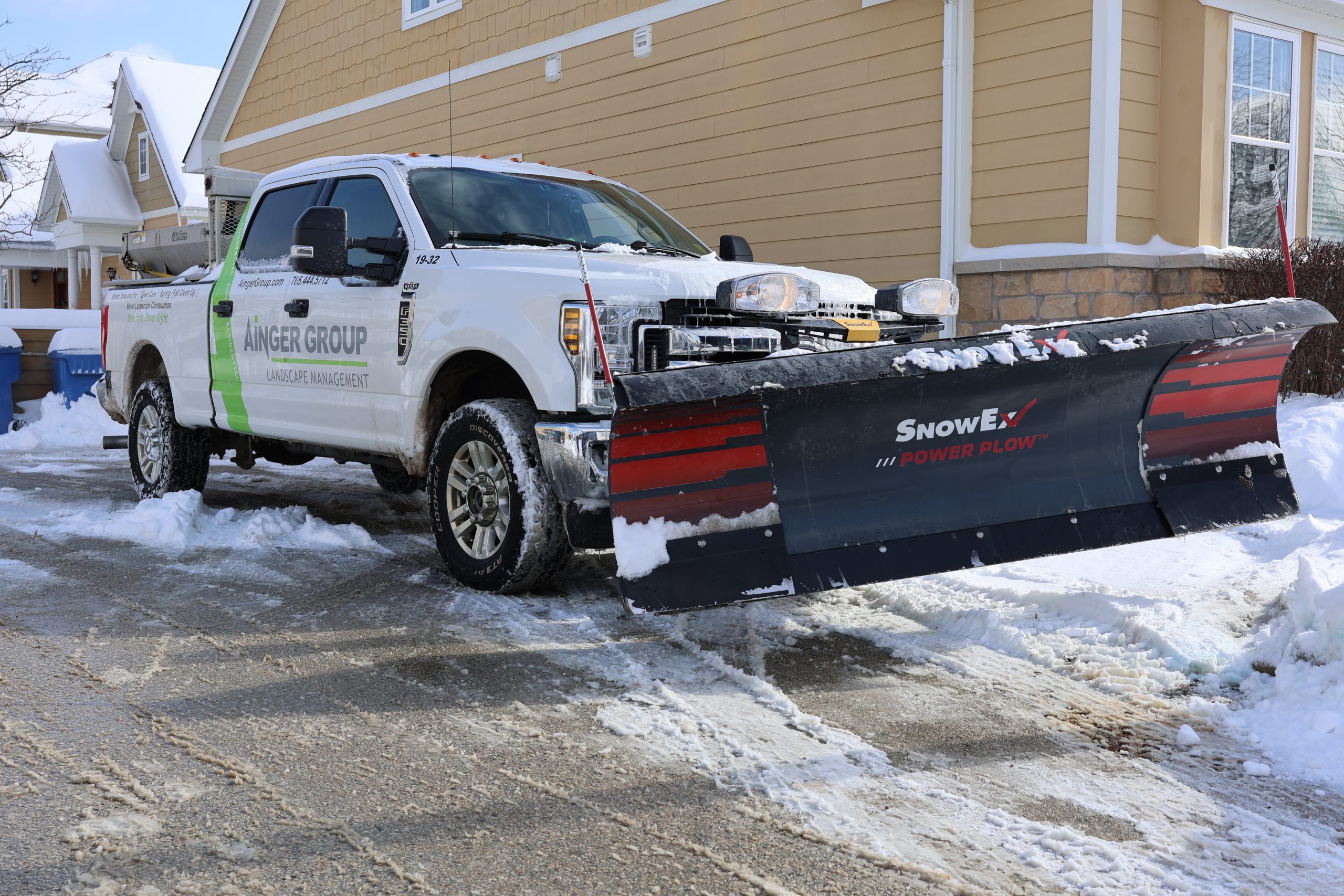
A plow truck and a loader can both move serious amounts of snow. However, they solve different problems on a commercial property. A plow truck usually covers open pavement quickly. A loader provides more pushing power, stacking ability and control with deep snow. For property managers in Collingwood, the right choice depends on the site. Parking lot size, traffic, snow storage and storm conditions all affect the equipment plan.
What Does a Plow Truck Do Best?
A plow truck combines speed with mobility.
Operators can move quickly between parking areas, drive lanes and different properties.
That makes trucks especially useful for large areas with open pavement.
A plow truck works well for:
- Parking lots
- Drive lanes
- Entrance roads
- Long access routes
- Open paved areas
- Routine snowfalls
- Properties with several separate clearing zones
Trucks can also travel between sites without another transport vehicle.
That flexibility makes them an important part of many commercial snow routes.
Where Does a Loader Perform Better?
A loader brings more pushing power to the job.
It can move larger volumes of snow and handle deeper accumulation more efficiently.
Loaders also work well when snowbanks start taking over valuable space.
Operators can lift and stack snow instead of only pushing it forward.
A loader often works best for:
- Large snow piles
- Heavy accumulation
- Snow stacking
- Snow relocation
- Deep windrows
- Large commercial lots
- Areas with limited snow storage
During a major storm, that extra capacity can make a significant difference.
Plow Truck vs Loader for Large Parking Lots
Large parking lots often benefit from both machines.
A plow truck can cover long rows and drive lanes quickly.
Meanwhile, a loader can manage the larger piles that develop around the edges.
Think about a retail plaza.
The truck may clear long parking lanes efficiently. Then the loader can move snow into designated storage zones.
That combination keeps the truck moving instead of forcing it to spend time building large piles.
Each machine handles the job it does best.
Speed Usually Favours the Plow Truck
For routine clearing, a plow truck usually has the speed advantage.
The operator can cover long stretches of pavement without stopping frequently.
That matters on properties with:
- Long drive lanes
- Large open parking areas
- Multiple entrances
- Several disconnected zones
A truck can also move directly from one part of the property to another.
However, speed alone does not determine productivity.
Deep snow can slow a truck dramatically.
Once accumulation becomes heavy, a loader may move the same volume more efficiently.
Loaders Handle Heavy Snow Differently
A loader uses weight and hydraulic power to move snow.
That gives the operator more control when snow becomes deep, wet or compacted.
Heavy Georgian Bay snowfall can create exactly those conditions.
Wind can also push snow into dense drifts.
In those situations, a loader can break through areas that may challenge a smaller plow setup.
The loader can then move the snow into larger piles or relocate it elsewhere on the property.
Snow Storage Changes the Equipment Decision
Snow storage should influence the equipment plan before winter begins.
At first, pushing snow to the edge of a parking lot seems simple.
Then the storms keep coming.
Those piles grow.
Eventually, they can:
- Consume parking spaces
- Reduce driver visibility
- Narrow entrances
- Crowd loading areas
- Block pedestrian routes
- Limit future snow storage
A loader gives crews more options once snowbanks grow.
Operators can stack snow higher or move it to a different part of the site.
If the property runs out of room completely, the site may need snow hauling.
Plow Trucks Work Well Across Multiple Zones
Commercial properties often contain several areas that crews need to clear.
For example, one property may include:
- A front customer lot
- Employee parking
- Loading docks
- A rear access road
- Garbage areas
- Emergency routes
A plow truck can move between those zones quickly.
That mobility becomes especially useful when crews need to maintain several priority areas during an ongoing storm.
The operator can make repeated passes without repositioning slower heavy equipment each time.
Loaders Excel at Snow Stacking
Snow stacking separates loaders from most truck plows.
A truck mainly pushes snow across the surface.
A loader can lift the material.
That allows crews to build taller, more controlled storage piles.
This capability becomes valuable later in winter.
Commercial sites rarely struggle with snow storage after one storm.
They struggle after many storms.
A good winter plan needs to account for January and February, not only the first snowfall.
Which Machine Works Better Around Loading Docks?
The answer depends on the layout.
A plow truck can clear broad loading areas quickly when it has enough room to manoeuvre.
However, tight dock areas may require more precise equipment.
A loader can move heavy piles away from dock approaches.
Smaller equipment may handle corners and narrow access points.
Therefore, crews often use several machines instead of forcing one machine into every area.
Property layout should drive equipment selection.
What About Tight Commercial Properties?
Neither a large loader nor a full-size plow truck works perfectly everywhere.
Tight areas may include:
- Narrow lanes
- Small loading zones
- Islands
- Curbed areas
- Utility equipment
- Tight parking rows
- Pedestrian spaces
Smaller machines often handle these areas more effectively.
A complete commercial snow removal plan may include trucks, loaders and compact equipment.
The equipment mix should match the site.
Storm Size Matters
A light snowfall and a major snow squall create very different operating conditions.
During lighter snow, plow trucks can clear open pavement efficiently.
During prolonged snowfall, crews may need repeated passes.
Then deeper accumulation begins to build around storage areas.
At that point, loaders can support the operation by handling heavier volumes.
This approach keeps the site functioning while snow continues to fall.
Wet Snow Can Change the Plan
Not all snow weighs the same.
Light powder moves easily.
Wet snow creates more resistance.
Heavy accumulation can also compact under vehicle traffic.
A loader has the weight and power to move dense material effectively.
However, operators still need to consider the surface underneath.
Equipment selection should protect the property while maintaining productivity.

Commercial snow loader for snow removal in Collingwood, Ontario
A Loader Does Not Automatically Mean Faster Service
Larger equipment does not always produce better results.
A loader may waste time on a long, open drive lane that a truck could clear quickly.
Likewise, a truck may struggle with a massive snow pile that a loader could move efficiently.
The best contractor does not simply bring the biggest machine.
The contractor chooses equipment based on the work.
That distinction matters.
Equipment Should Match Property Priorities
Commercial snow management starts with the site, not the machine.
Property managers should identify priority areas before winter.
These may include:
- Main entrances
- Fire routes
- Accessible parking
- Loading zones
- Employee entrances
- Customer parking
- Delivery routes
- Emergency access
Then crews can choose equipment that supports those priorities.
For example, a plow truck may maintain the main drive lanes during a storm.
Meanwhile, a loader can manage snow storage away from those lanes.
Backup Equipment Matters Too
Commercial properties cannot rely on one piece of equipment.
Machines need maintenance.
Breakdowns happen.
Large storms can also increase workload quickly.
A strong snow management plan needs enough equipment capacity to respond when conditions change.
Property managers should ask how their contractor handles equipment problems.
They should also ask what happens during a storm that lasts much longer than expected.
Plow Truck vs Loader: Which One Wins?
Neither machine wins every category.
Choose the plow truck advantage when the property needs:
- Fast coverage
- Long clearing routes
- Open pavement
- Frequent movement between areas
- Routine plowing
Choose the loader advantage when the property needs:
- More pushing power
- Heavy snow movement
- Snow stacking
- Snow relocation
- Large pile management
For many commercial properties, the best answer is both.
The truck handles coverage.
The loader handles volume.
Why Commercial Properties Often Need an Equipment Mix
Winter rarely delivers identical storms.
One week may bring a few centimetres of light snow.
The next may bring heavy accumulation and strong winds.
A commercial snow plan needs enough flexibility to handle both.
That is why equipment planning matters before the season begins.
A contractor can review the property, identify storage zones and determine which machines fit each part of the site.
That preparation makes storm response much more efficient.
Commercial Plow Truck Snow Removal in Collingwood
Commercial properties around Collingwood face everything from routine snowfall to intense Georgian Bay snow events.
No single machine solves every winter challenge.
Ainger Snow Removal plans equipment around the property rather than relying on one approach for every site.
Learn more about our Collingwood commercial snow removal services.
For winter property-management tips, snow-removal insights and updates from our team, follow Ainger Group on LinkedIn.
Planning commercial snow service for your property this winter? Request a commercial snow removal quote.