Roof Rakes: When They Help and When to Call a Professional
Posted on 20 September 2026
A snow rake can help Collingwood homeowners remove snow from the lower part of a roof without climbing onto it. However, a roof rake only suits certain conditions. Deep snow, hard ice, steep roofs and difficult access can quickly turn a simple job into something better left to a professional.
Therefore, homeowners should understand what a snow rake can do before the first heavy Georgian Bay snowfall arrives.
What Is a Snow Rake?
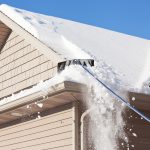
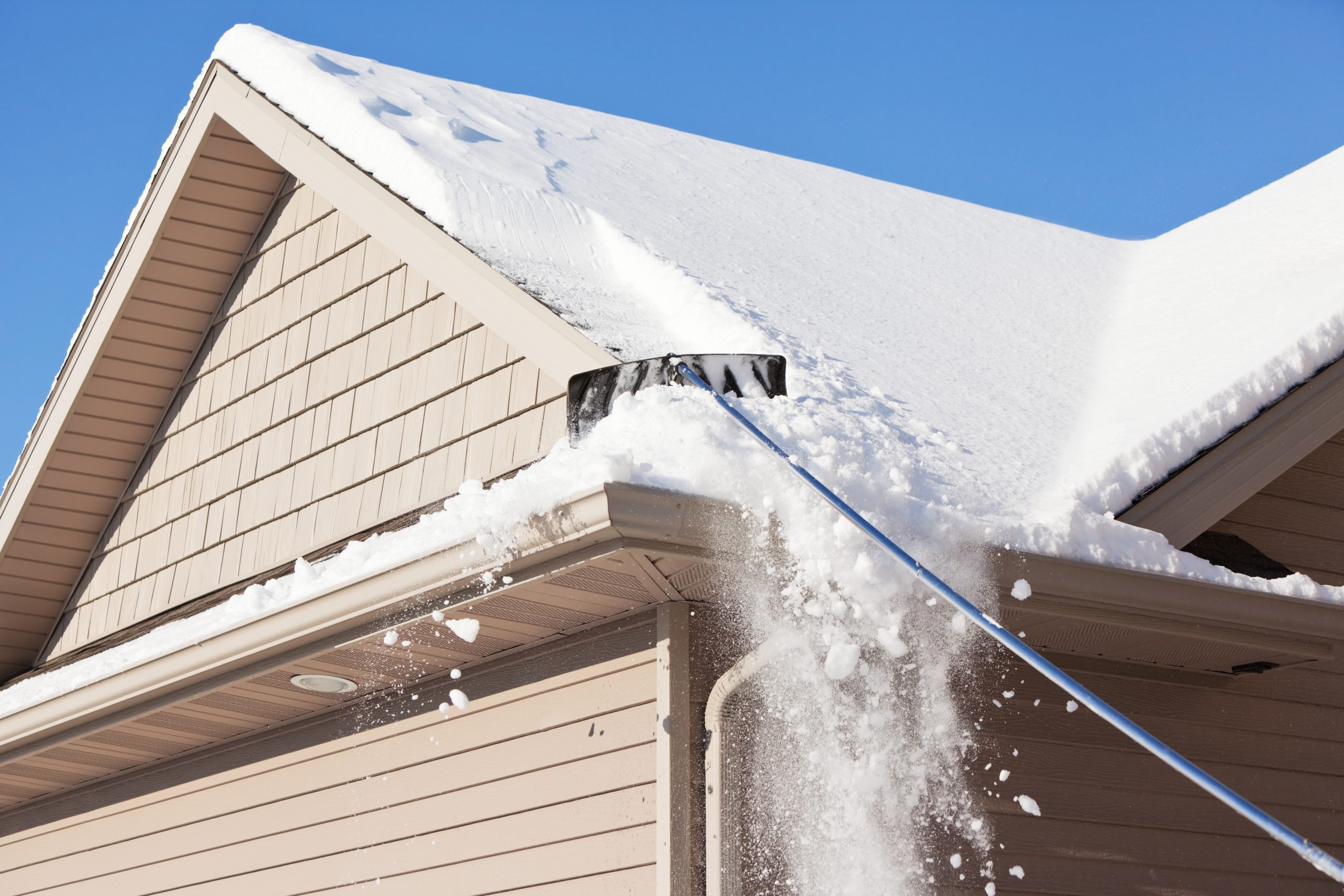
A snow rake, often called a roof rake, uses a long handle and wide head to pull snow toward the roof edge.
The homeowner stays on the ground while using the tool.
As a result, a snow rake offers a safer option than climbing onto a snowy roof.
Most homeowners use roof rakes to remove snow near the eaves. However, the tool does not need to clear the entire roof to provide value.
Instead, removing some lower accumulation can reduce the amount of snow sitting near vulnerable roof edges.
When a Rake Works Well
A snow rake works best when the snow remains relatively fresh and loose.
For example, light powder usually moves much easier than heavy, wet snow.
In addition, homeowners need enough open space around the house to operate the long handle safely.
A snow rake may work well when:
- Snow remains soft and easy to move
- You can reach the lower roof from the ground
- The roof edge has open space underneath
- No electrical lines interfere with the work
- Snow can fall into a safe area
- The tool reaches the problem area without a ladder
However, homeowners should stop when the job requires climbing, stretching dangerously or standing directly under falling snow.
Why Homeowners Use a Snow Rake After Heavy Snow
Snow can build quickly during a Georgian Bay winter.
One storm may not create much concern. However, several snowfalls can leave much more accumulation on the roof.
In addition, wind can move snow unevenly across different roof sections.
Therefore, homeowners often use a snow rake to manage accessible buildup before it becomes harder to move.
Fresh snow usually gives you the easiest opportunity.
Once the snow compacts, melts or freezes, a roof rake may become much less effective.
How to Use a Rake From the Ground
Always keep your feet on the ground when using a roof rake.
First, choose an area where falling snow will not hit people, vehicles or fragile property.
Then, extend the rake only as far as you can control comfortably.
Instead of trying to scrape the roof completely clean, remove manageable sections of snow.
Also, avoid digging the rake head aggressively into shingles.
The goal is to move snow, not scrape roofing materials.
Most importantly, stand away from the area where snow will fall.
A surprisingly large amount of snow can release at once.
A Snow Rake Should Not Require a Ladder
If you need a ladder to make the roof rake reach, the DIY advantage disappears quickly.
Snow, ice and winter footwear already create unstable conditions.
Meanwhile, handling a long pole from a ladder makes balance even more difficult.
Therefore, keep roof-rake work at ground level.
If you cannot reach the snow safely from the ground, consider professional rooftop snow removal instead.
The roof may still need attention. However, you do not need to put yourself in a risky position to provide it.
Can a Rake Help With Ice Dams?
A snow rake may help reduce snow accumulation near the eaves. However, it does not fix the underlying conditions that cause ice dams.
Ice dams can develop when heat melts roof snow and the water later freezes near colder roof edges.
Therefore, repeatedly removing snow may address part of the immediate problem without correcting the cause.
Insulation, air leakage, ventilation and roof conditions can all play a role.
For a deeper explanation, Ainger Group has a dedicated guide to ice damming and rooftop snow removal in Collingwood.
That roofing page is particularly useful when you see recurring ice buildup rather than ordinary loose snow.
Do Not Use a Snow Rake to Break Ice
A roof rake works with snow.
It should not become an ice-breaking tool.
Hammering or chopping at frozen material can damage shingles, gutters and roof edges.
In addition, large pieces of ice can fall without warning.
Therefore, stop if the material has frozen solid.
At that point, a professional can assess the condition and choose a safer removal method.
When Heavy Snow Becomes Too Much for a Snow Rake
Wet snow changes the job quickly.
Although powder moves easily, wet snow carries much more weight and sticks together.
As a result, pulling a large section toward yourself can become difficult.
Deep snow also creates another problem.
The rake may only reach the outer layer while significant accumulation remains farther up the roof.
Therefore, avoid turning a small maintenance task into an exhausting battle with the entire roof.
If the snow feels too heavy to control from the ground, stop.
Roof Shape Affects Snow Rake Use
Simple roof sections usually give homeowners the easiest access.
However, valleys, dormers, multiple roof levels and steep slopes create more complicated conditions.
Snow can also collect unevenly around roof intersections.
Therefore, one visible section may not represent the rest of the roof.
A roof rake cannot easily reach every location.
In addition, pulling snow from one area may cause nearby accumulation to shift.
Complex roofs often deserve professional attention because crews can evaluate the full situation instead of focusing only on the easiest section to reach.
Watch Where the Snow Will Land
Before pulling snow from the roof, look below.
This step sounds obvious. However, homeowners can focus so much on the roof that they forget about the landing area.
Avoid dropping snow onto:
- People or pets
- Parked vehicles
- Heat pumps or outdoor equipment
- Glass railings
- Shrubs that may break
- Steps and entrances
- Areas where falling snow could block access
Also, remember that you may need to clear the fallen snow afterward.
Therefore, choose your working area before the first pull.
A Snow Rake Can Create More Ground-Level Cleanup
Roof snow does not disappear when you rake it.
Instead, you move it from the roof to the ground.
As a result, large piles can form beside the house.
You may then need to shovel around entrances, walkways or mechanical equipment.
Therefore, think about the full job before starting.
Removing roof snow can make sense while still creating another winter task below.
When to Stop Using a Snow Rake
A good DIY tool still needs clear limits.
Stop and consider professional help when you cannot reach the area from the ground.
Likewise, stop when snow has turned into hard ice or extremely heavy packed material.
You should also step away when snow sits above electrical equipment or other hazards.
Finally, unusual roof movement, visible damage or water entering the home deserves professional attention rather than more raking.
Knowing when to stop matters just as much as knowing how to start.
Snow Rake vs Professional Rooftop Snow Removal
A snow rake suits straightforward maintenance.
Professional rooftop snow removal suits more complicated conditions.
For example, homeowners may need professional help after repeated heavy snowfalls, significant drifting or ice buildup.
Likewise, tall homes and steep roofs can place most of the snow outside a homeowner’s safe reach.
Professional crews also have equipment and procedures for conditions that a basic roof rake cannot address.
Therefore, think of the rake as one winter tool, not a solution for every rooftop problem.
Should Every Collingwood Homeowner Own a Snow Rake?
Not necessarily.
Homeowners with accessible sloped roofs may find one useful.
Meanwhile, people with difficult rooflines or limited working space may rarely use it safely.
Storage also matters because roof rakes use long handles.
Therefore, consider your actual property before buying one.
If you can safely reach the lower roof from open ground, a rake may earn its place in the garage.
If not, professional service may make more sense.
Snow Rakes and Collingwood Winters
Georgian Bay weather can produce very different snow conditions throughout one season.
Light powder may fall one week. Then, wet snow, drifting and temperature swings can create a completely different roof condition.
Therefore, homeowners should judge the situation each time rather than assuming the snow rake will always work.
A roof rake can provide useful maintenance when conditions cooperate.
However, the safest choice is often knowing when the tool has reached its limit.
Ainger Snow Removal provides residential snow removal information for Collingwood homeowners and professional rooftop snow-removal options when the job goes beyond ground-level DIY.
In addition, follow Ainger Group on LinkedIn for seasonal winter tips and property-maintenance updates.
Need help managing winter snow around your home? Contact Ainger Snow Removal to discuss residential service in Collingwood.